Exploring Circular Urban Futures in the Low Countries
A travelogue by Professor Cristina Murphy, the curator and coordinator of the trip.
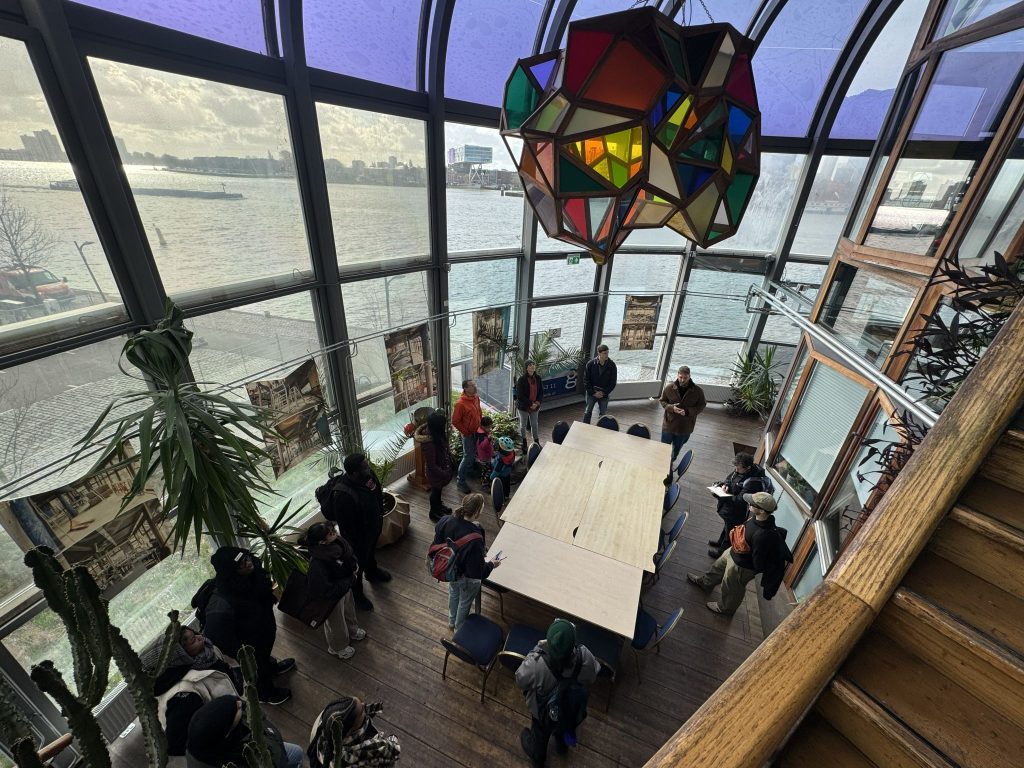
| During March 13–20, 2026, students from Morgan State University’s School of Architecture and Planning and design professionals from Baltimore experienced an immersive educational study abroad experience led by Professor Cristina Murphy. Rotterdam stands as a premier destination for an architectural expedition centered on sustainability, upcycling, and radical innovation. This 10-day journey, stretching from Baltimore to dynamic cities in the Netherlands (Rotterdam, Delft, Amsterdam, and Almere) and Belgium (Antwerp), was designed for profound professional and academic engagement. We connected with leading firms, pioneering researchers, and transformative built projects to critically examine advanced placemaking and zero-carbon construction. By integrating principles of the circular economy and social sustainability, we aimed to understand the holistic future of responsible design, a future where architecture actively regenerates communities and ecosystems. What follows is a day-by-day journal documenting our individual experiences within this broader framework: a journey with its heart in Baltimore and its horizons expanded through Rotterdam, Delft, Amsterdam, Almere, and Antwerp. |
THU MARCH 12 | Departure from Baltimore – the Journey Begins
As we gather at the airport, a palpable sense of anticipation hums among the group. We’re off, carrying with us the questions, challenges, and aspirations that define our work back home. How do we create architecture that not only minimizes harm but actively regenerates communities and ecosystems? How can we translate the principles of the circular economy from theory into tangible, lived experience? What role does social sustainability play in the creation of lasting urban value? These are the questions propelling us across the Atlantic. We’re students, practitioners, and advocates eager to learn from cities that have embraced innovation as a survival strategy. We are confident that our time here will transform the way we think about, create, and make architecture. Let this journey into possible circular-economy urban futures begin!
FRI MARCH 13 | De Tuin van Bret – A Living Laboratory for Urban Experimentation in Amsterdam
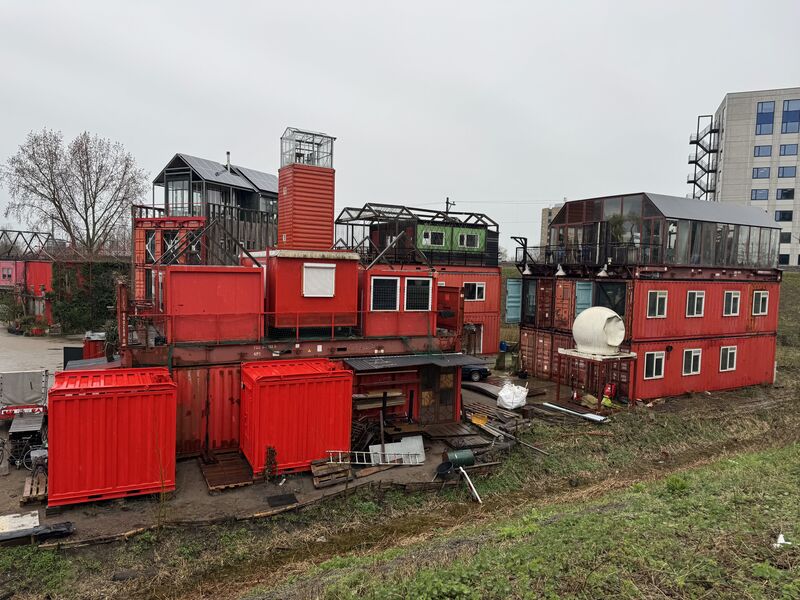
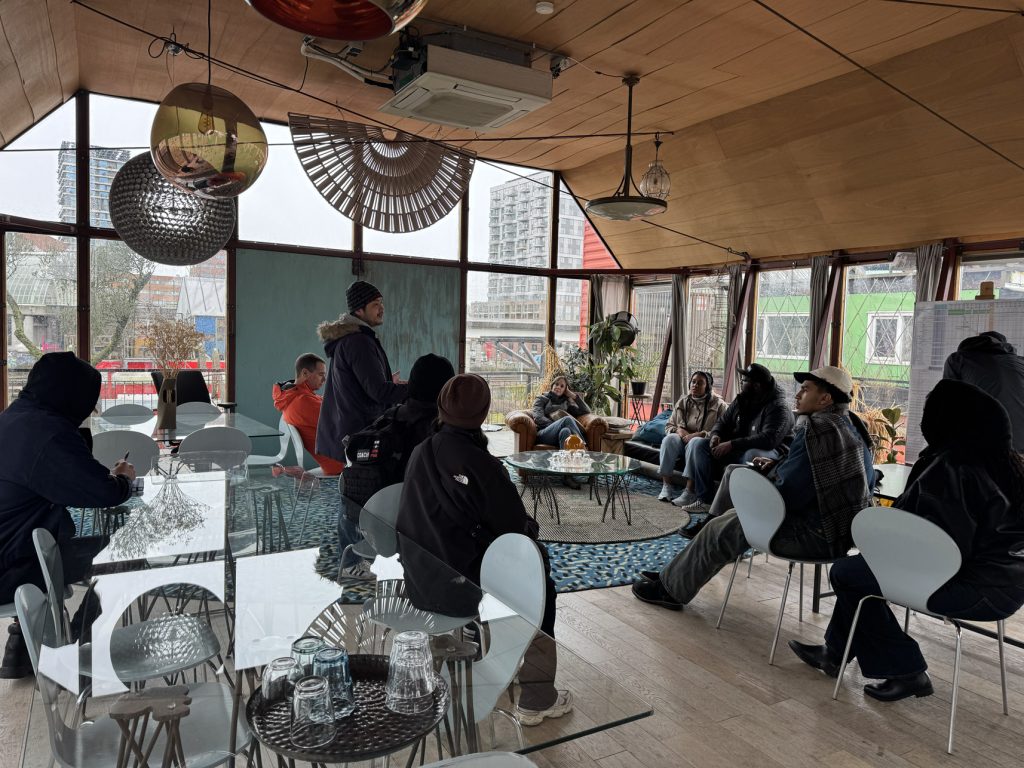
Our first full day immersed us in Amsterdam’s culture of grassroots innovation. We visited De Tuin van Bret, a project that defies easy categorization. Located in a transient commercial area sandwiched between a bustling train station and anonymous office blocks, this “garden” is a vibrant oasis of community, creativity, and circular thinking.
Guided by Khoi Tran, one of its visionary founders, we discovered how a neglected urban corner, a former train depot, has been transformed into a thriving place of work, exchange, and belonging. What makes De Tuin van Bret extraordinary is its embrace of impermanence as a catalyst for creation. Operating on a semi-temporary site, the project demonstrates that profound urban interventions need not wait for massive budgets or permanent permissions. Instead, through collaboration, reuse, and flexible programming, it functions as a living laboratory for urban experimentation.
We walked among structures created from reclaimed materials and learned what the place means for its community, the initiatives that animate the space and the countless small acts of contribution that help shape it. This participatory model demonstrates that social sustainability is not an add-on but the very foundation of lasting urban places.
Standing there, we were reminded that impactful city-making often begins not with grand plans, but with ideas, people, and the courage to experiment. In a region renowned for its bold architecture, this humble, semi-temporary project may be one of its most radical innovations, proof that sustainable creation can emerge from the margins.
SAT MARCH 14 | Exploring Rotterdam by Bike – Innovation, Circularity, and Community on Two Wheels
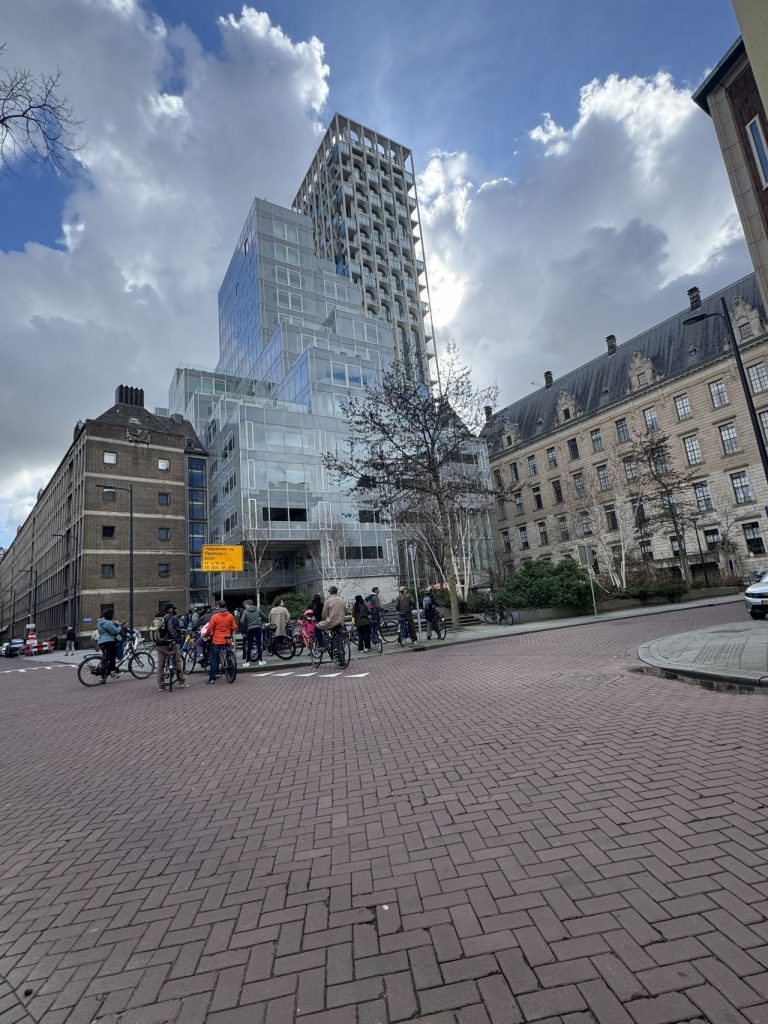
If Day 2 was about ground-level experimentation, Day 3 lifted our gaze to the skyline. Matteo Bettoni, architect from WRK Architecten, led us on an exhilarating 7-mile bike tour through Rotterdam, and what an incredible experience it was!
There is no better way to understand a city built from resilience and sustainable reinvention than by bicycle. Pedaling through its streets, we felt the rhythm of Rotterdam. Matteo’s dual perspective as both a local and an architect enriched every stop with insights into the city’s relentless drive toward innovation.
From the Central Station, we biked along the old massive Postal Office, through Test Site Rotterdam, a hub of urban prototyping and social and spatial reconnection. From there, we biked to Hofplein and imagined its future of pedestrian accessibility and parkland. Before moving into the guts of the city, we stopped by Nieuwe Delftse Poort (Cor Kraat) and briefly opened the conversation of Rotterdam as a white canvas and a hub of urban and architectural opportunity that rose from wartime destruction with a determination to create something radically new.
Biking along Haagseveer, we reached Timmerhuis by OMA and the newly completed POST Rotterdam, designed by New York-based firm ODA Architecture. Crossing Hoogstraat and along Steigersgracht, we reached MVRDV’s Markthal, the Library, the Pencil Building, and the Cube Houses by the Blaak.
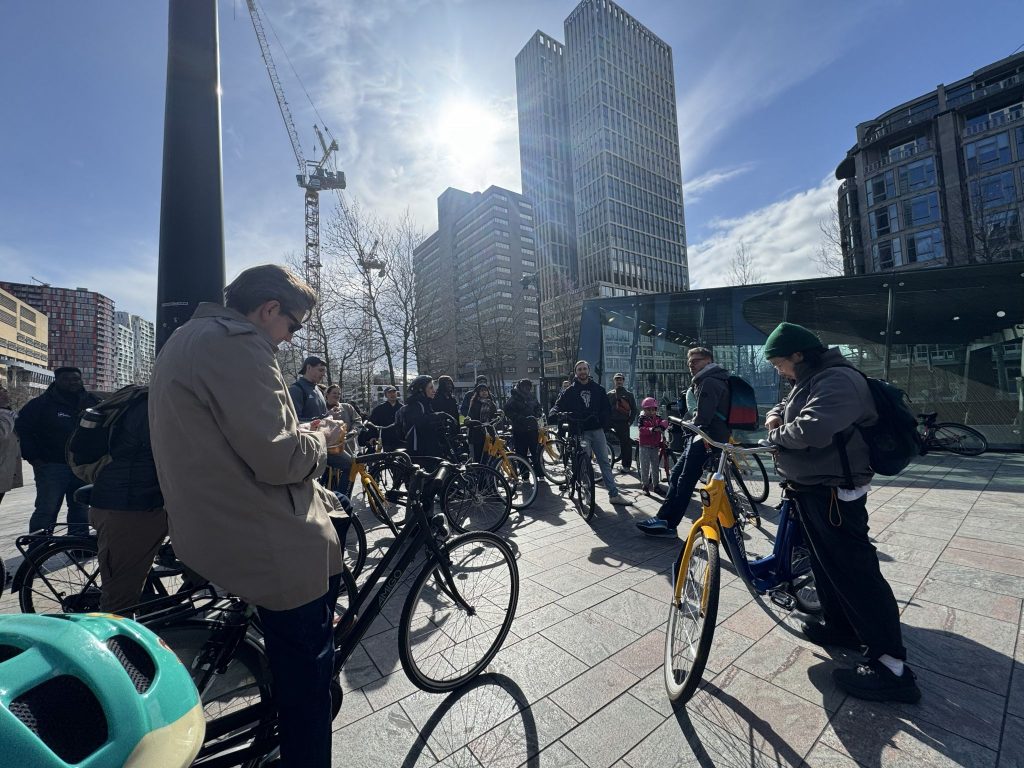
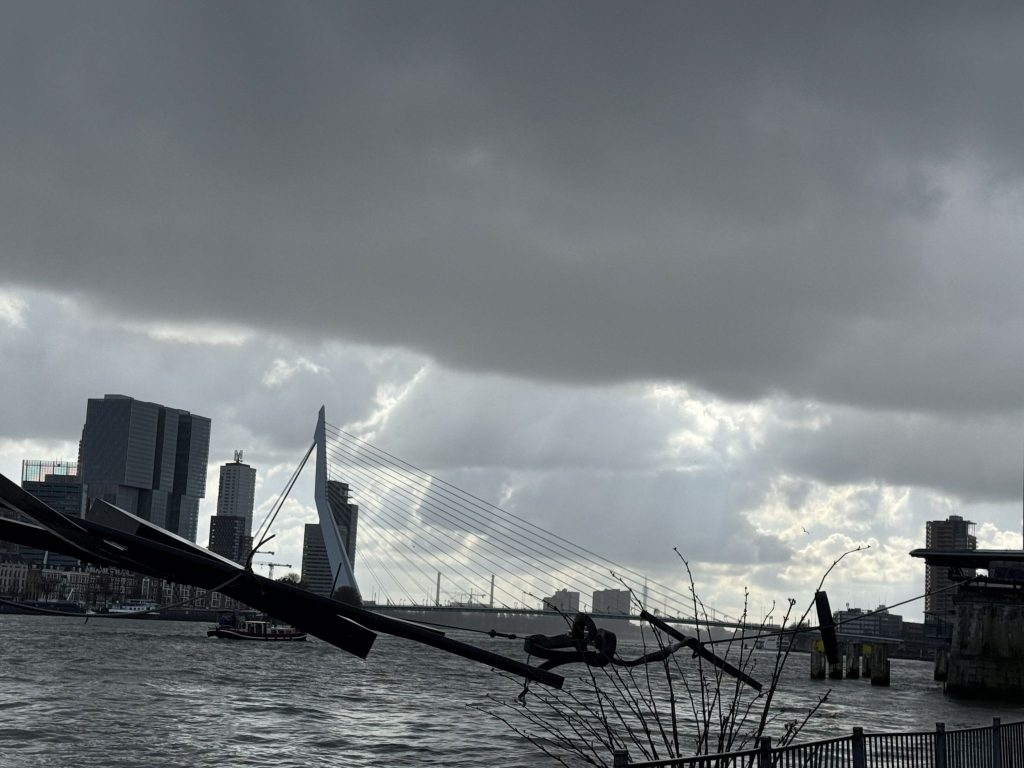
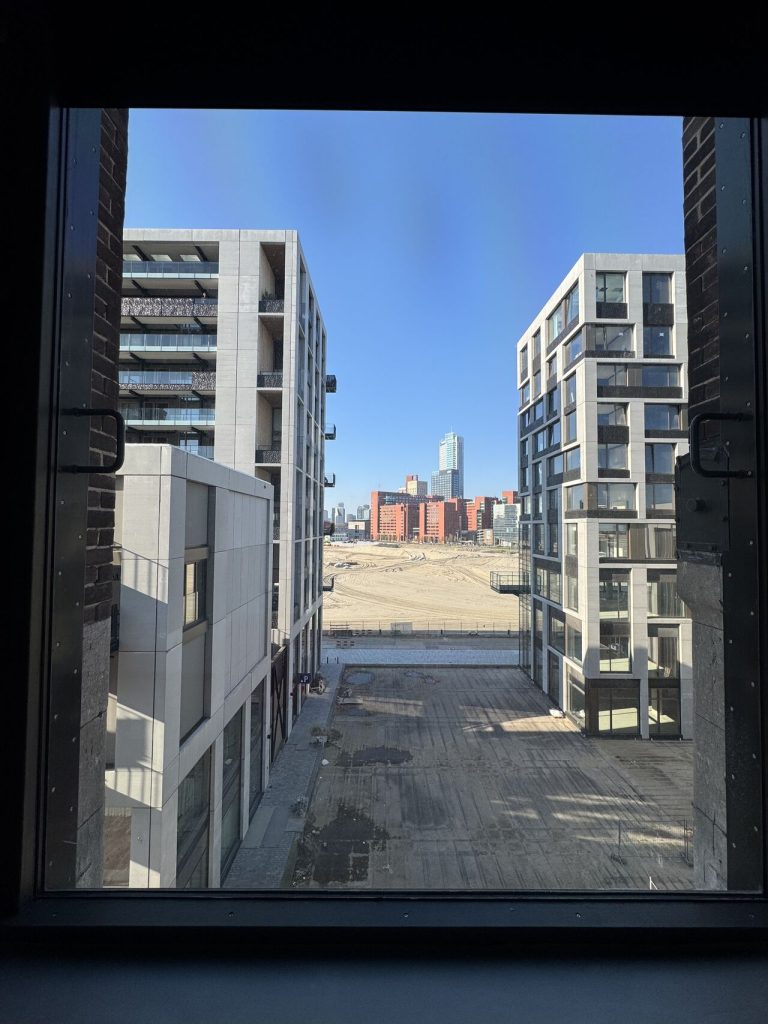
Emerging from the urban core, crossing Wijnhaven, we reached Boompjeskade and cycled along the water, west across the Erasmus Bridge, to reach Kop van Zuid. Here, standing by the KPN Tower by Renzo Piano, we looked back at Rotterdam’s stellar skyline and gained a new appreciation for its composition: a skyline shaped not by competition but by collaboration, where architectural icons stand alongside repurposed warehouses and new sustainable developments. Kop van Zuid, populated by buildings signed by OMA, Mecanoo, MVRDV, Bolles+Wilson, and Powerhouse Company, exemplifies circular urbanism, transforming former port lands into vibrant mixed-use communities.
Kop van Zuid also serves as the gateway to Katendrecht, a historic peninsula once known as a port support infrastructure district, now a laboratory for technological, construction, cultural, and social innovation. This transformation itself is a lesson in adaptive reuse and the power of patient, community-driven creation.
The highlight of our tour was undoubtedly the Fenix building, home to a museum about migration, a repurposed warehouse whose sculptural mirrored capstone was designed by MAD Architects. While the museum’s exhibitions powerfully document the stories of those who passed through Rotterdam’s port seeking new lives, it was the building’s ground-level community component that truly captured our imagination: a profound expression of social sustainability.
This expansive, open space embraces its industrial heritage while serving a profoundly human purpose. At its heart sits a simple, welcoming kiosk, surrounded by an open industrial hall thoughtfully organized with games and activities for all ages. Here, children play alongside elderly neighbors; newcomers to the city share tables with lifelong Rotterdammers; backgrounds blend, and connections form. The space is deliberately open, accessible, and safe, a physical manifestation of social sustainability that prioritizes human connection as the ultimate measure of architectural success.
Matteo shared how the design emerged from deep engagement with local organizations, ensuring that the building would not stand apart from its community but actively empower and reinforce it. In an era when architecture often prioritizes spectacle over substance, the Fenix building offers a powerful counter-narrative: a building that gathers people, nurtures belonging, and participates in the daily life of its city. It demonstrates that true innovation lies not in novel forms alone, but in creating spaces that enable community to flourish.
We wrapped up our journey on two wheels by coasting through Het Park and Museum Park. We hit the south end with Rem Koolhaas’ Kunsthal (fun fact: a few years ago, the museum was cleared of its art, and the architect was blamed for the main entrance location!). We ended the tour at the Art Depot Boijmans Van Beuningen for a great “reflective” group selfie photo.
What a way to continue our journey, and the week has only just begun! We learned that the most enduring creation is often the kind that empowers others to become creators themselves.
SUN MARCH 15 | Today: Open until dinner
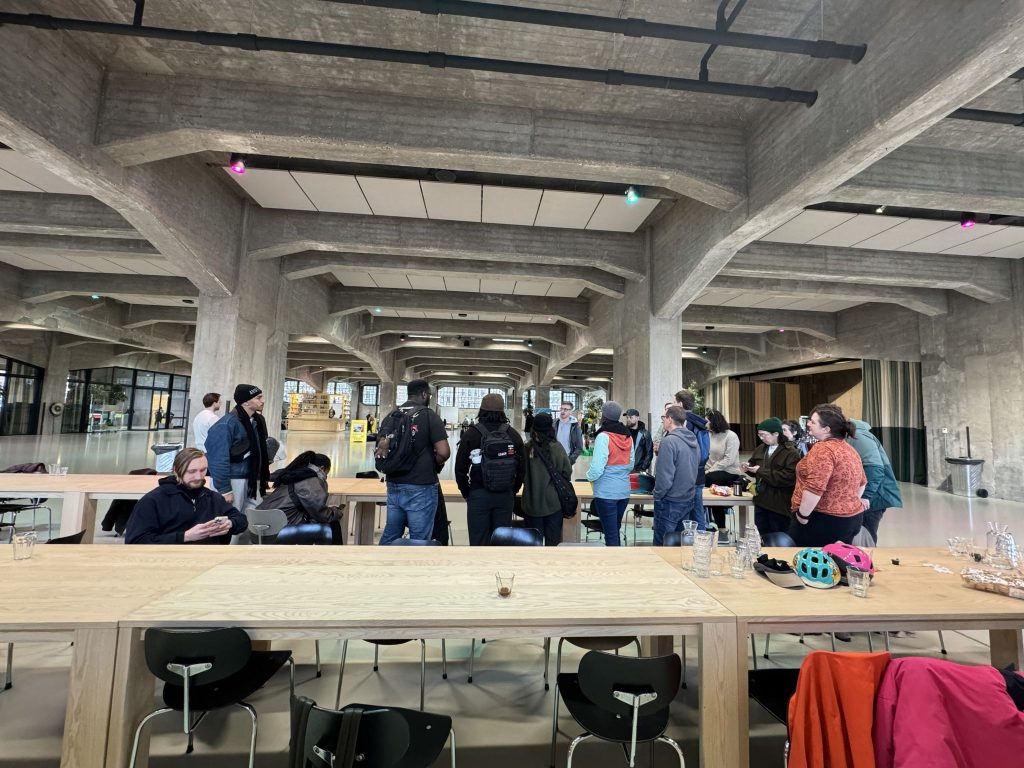
Rotterdam treated us well today. By evening, gathered around a generous dinner and refreshing drinks, the stories started flowing, about encounters, discoveries, and quite a few kilometers traveled.
Some of us headed to the stadium to experience the electric atmosphere of a Feyenoord derby game. Others took their bikes for a 26 km ride that led from the first villa by Rem Koolhaas to the lowest point in the Netherlands, looping around two lakes along the way. The students spent their day at the zoo, proudly returning with photos of red pandas as their highlight.
Another group went playground-hopping by bike, with a stop at Superuse Studios’ Mikado, a perfect mix of play and design. Meanwhile, Think Twice Vintage was offering everything starting at €2… which, of course, proved impossible to resist.
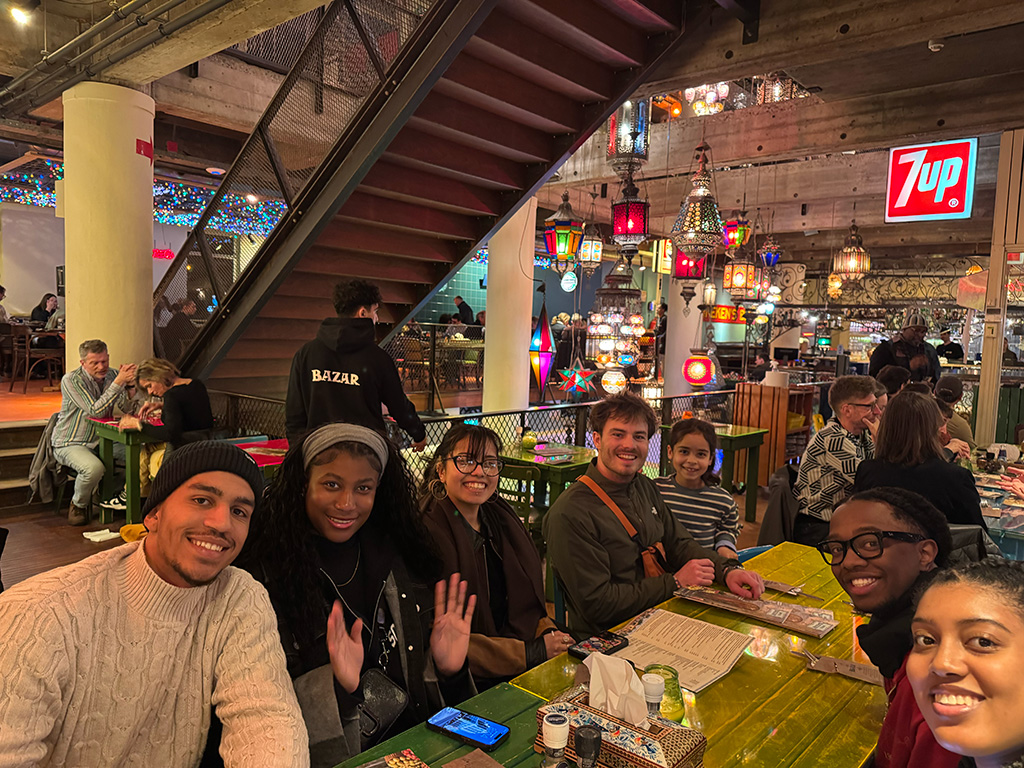
As evening settled in, we all reunited at the Bazar restaurant for a generous meal and lively conversations. A few local friends joined us, sharing their own stories and the many different paths that brought them to Rotterdam.
Tomorrow the week begins, and we’re ready to learn more.
MON MARCH 16 | What is New!
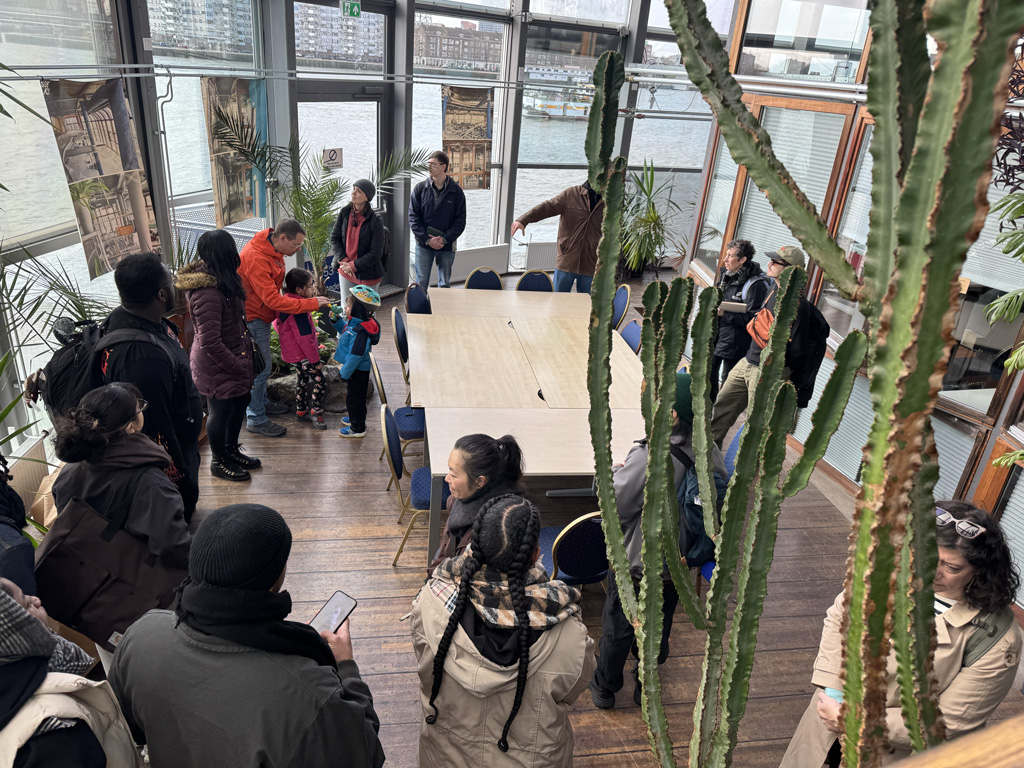
Today was an invitation to wonder and imagine what the future will look like. From the adaptive reuse of existing structures to ambitious climate goals, we explored how the built environment can evolve to meet the ecological demands of tomorrow while creating spaces that are more culturally and socially vibrant. In the morning, we visited the Blue City, a former swimming pool and recreation center along the Maas River. What was once a place for leisure now hosts a community of circular economy businesses, entrepreneurs whose mission is to rethink how we recirculate embodied carbon and materials. The building itself is a powerful example of reuse. Its shell and volume have transitioned from a pool hall to a hybrid hub of offices, laboratories, and collaborative work spaces.
Our guide, Florian, an architect whose own design process begins with how plants orient themselves toward the sun to survive, led us through the space. He challenged our imagination by drawing attention to materials that evoked other places and previous uses, a partition wall that once belonged to a hospital, chairs that once where garbage containers…. We were invited to touch new materials made from old ones, and to consider innovative ways of harvesting resources and transforming them into surprisingly new applications. It was a tactile lesson in how nothing in a circular economy needs to be wasted.
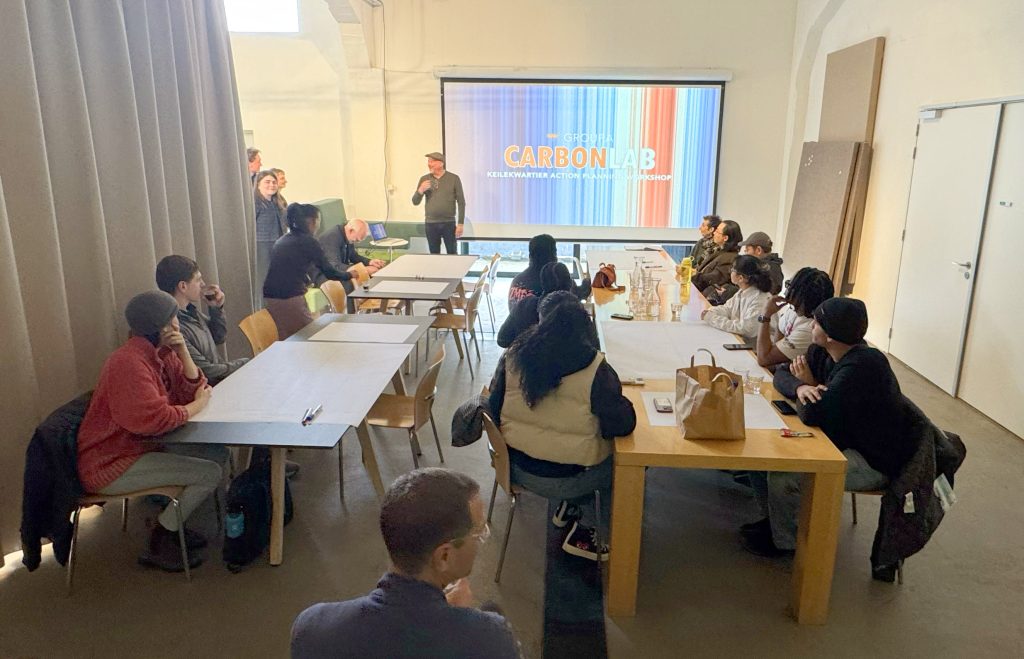
After lunch, we reconvened at Keilepand, where GroupA and CarbonLab welcomed us with a lecture on the new “green deal” and the ambitious goals set for all EU countries. Europe is moving quickly toward a drastic reduction of CO₂ emissions, and it aims to do so without sacrificing aesthetics nor comfort. On the contrary, the goal is to improve design by making it more ecologically, culturally, and socially mindful. While the economic transition toward the 2030 Paris Agreement targets is not yet optimal, the country is moving forward. Investments are pointing in the right direction. There is a clear drive to make our cities more livable and to make sustainability economically feasible on one side, yet profitable on the other.
We then participated in a workshop that divided our group into four teams, each focused on a critical theme: Climate Change, Transportation, Economic Impact, and Ecology and Society. The teams engaged deeply, and we learned with full enthusiasm. Beyond the facts and figures, there was great bonding and a shared spirit that these matters must be taken seriously when designing our cities. The collaborative energy in the room reaffirmed that these challenges are not just technical, they are deeply human.
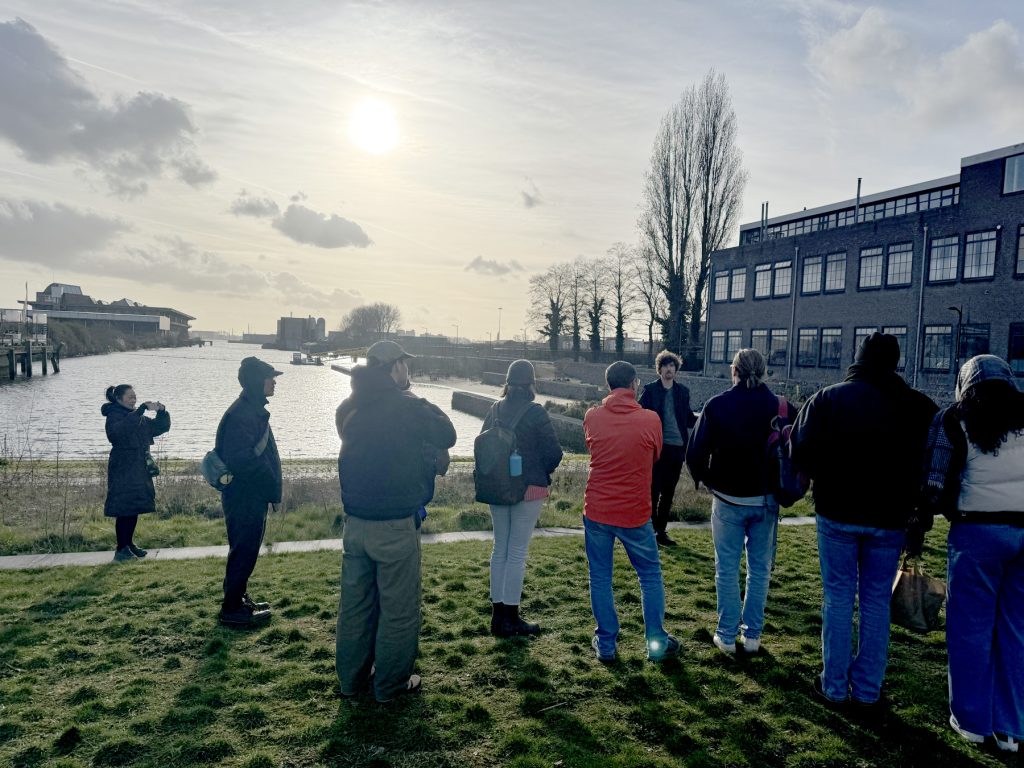
Finally, we had a brief chance to see the work of De Urbanisten by the waterfront. This urban design and landscape architecture office is testing the return to native plants and the restoration of water-land conditions through the Keilehaven Tidal Park. The project combines a city park with a natural estuary system, seeking a delicate balance between cultural park elements and natural, spontaneous processes. It was a fitting end to the day: a living example of how design can work with nature, not against it, to create spaces that are both functional and resilient.
Today reminded us that imagining the future is not an abstract exercise, it is a tangible, collaborative, and hopeful act of building better places to live.
TUES MARCH 17 | How can design practice return to approaches that disregard both environment and people after an experience such as today’s?
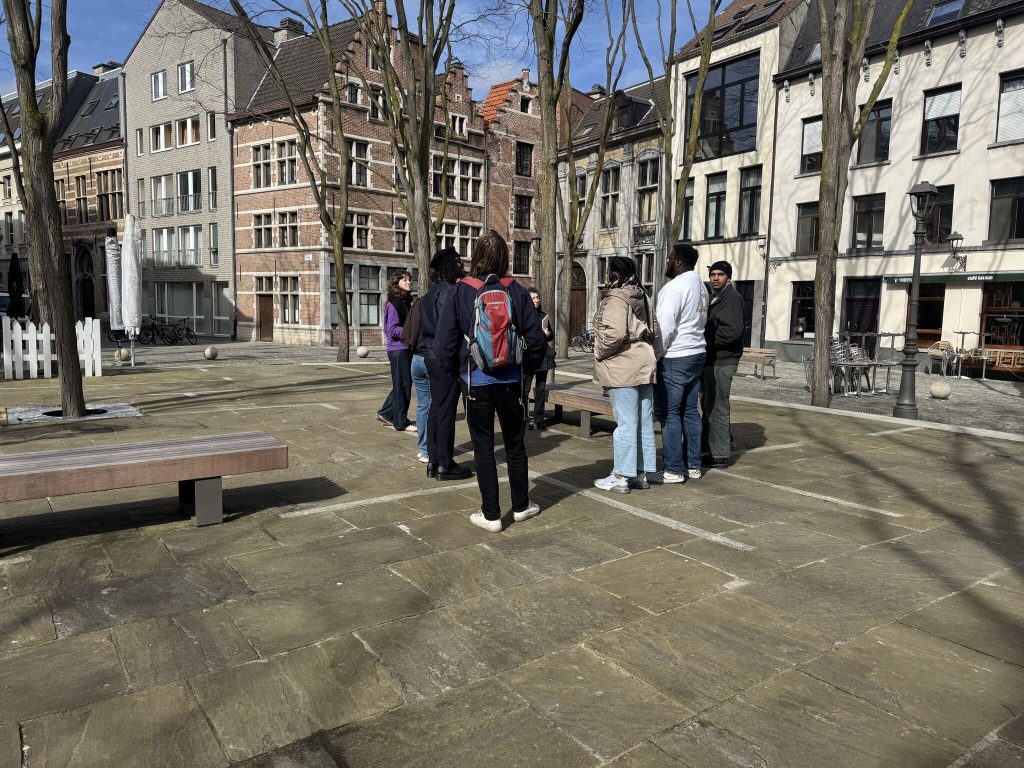
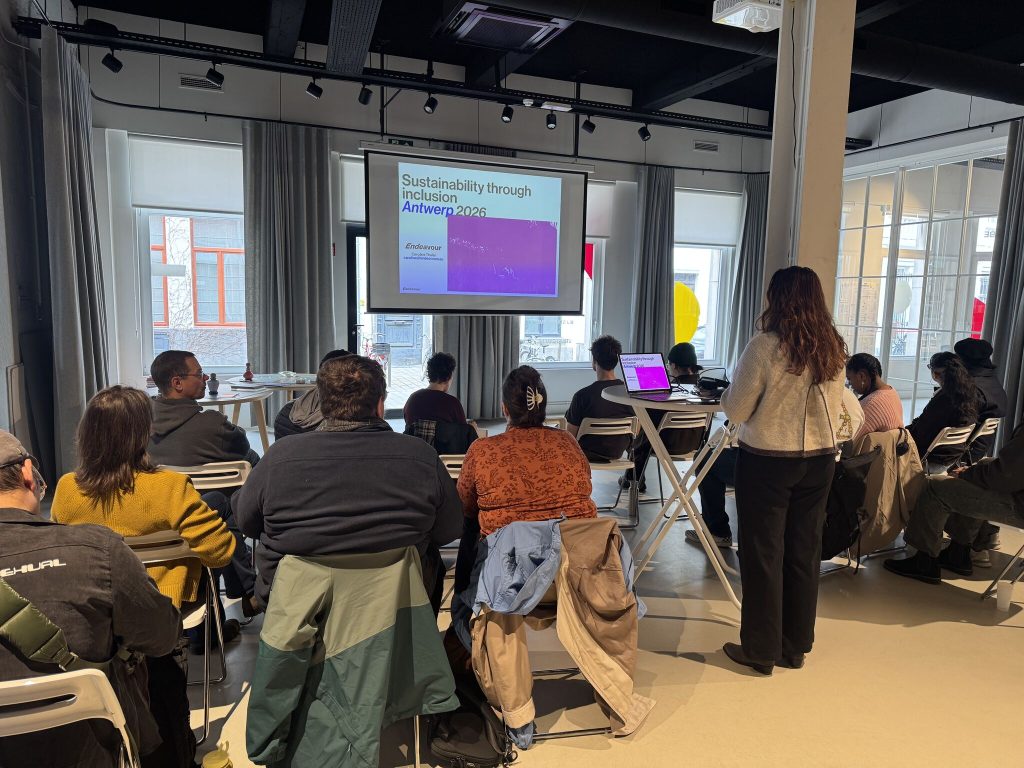
Today in Antwerp in Belgium, we were introduced by Endeavour to a design methodology fundamentally grounded in human context. This approach positions narrative and authenticity not as supplementary qualities, but as primary drivers of the design process. Implementation is therefore not an initial objective, but a consequence, emerging only after a rigorous and situated understanding of place has been achieved.
The framework we engaged with activated a heightened sensory awareness. By beginning from an internal perspective, through perception, intuition, and critical observation, we developed an alternative mode of spatial evaluation. This process quickly evolved into an intuitive yet structured spatial exploration. As dialogue and observation deepened, space itself appeared to shift, becoming increasingly legible and contextually embedded.This progression led to the formulation of more precise and intentional questions, aligned with a broader strategic design logic. Within this context, the notion of a master plan was reframed: not as a deterministic or prescriptive tool, but as an aspirational and adaptive guideline. Spatial production, therefore, cannot be imposed externally; it must emerge from a process of careful, situated discovery.
Our exploration of Antwerp provided a tangible case study for this approach. The city revealed a layered spatial narrative, from the eclectic architectural composition of the station, through the historic urban fabric, to its parks and public spaces, and ultimately the waterfront, where varied scales of visibility and perspective, long and short views, are negotiated. Each element contributed to a coherent yet complex urban experience.
The day concluded in proximity to the cathedral, where reflection and conviviality converged. This final moment, though informal, reinforced the central premise of the day: that spatial experience is inseparable from cultural, social, and sensory context.
WED MARCH 18 | Synthesis & Reflection
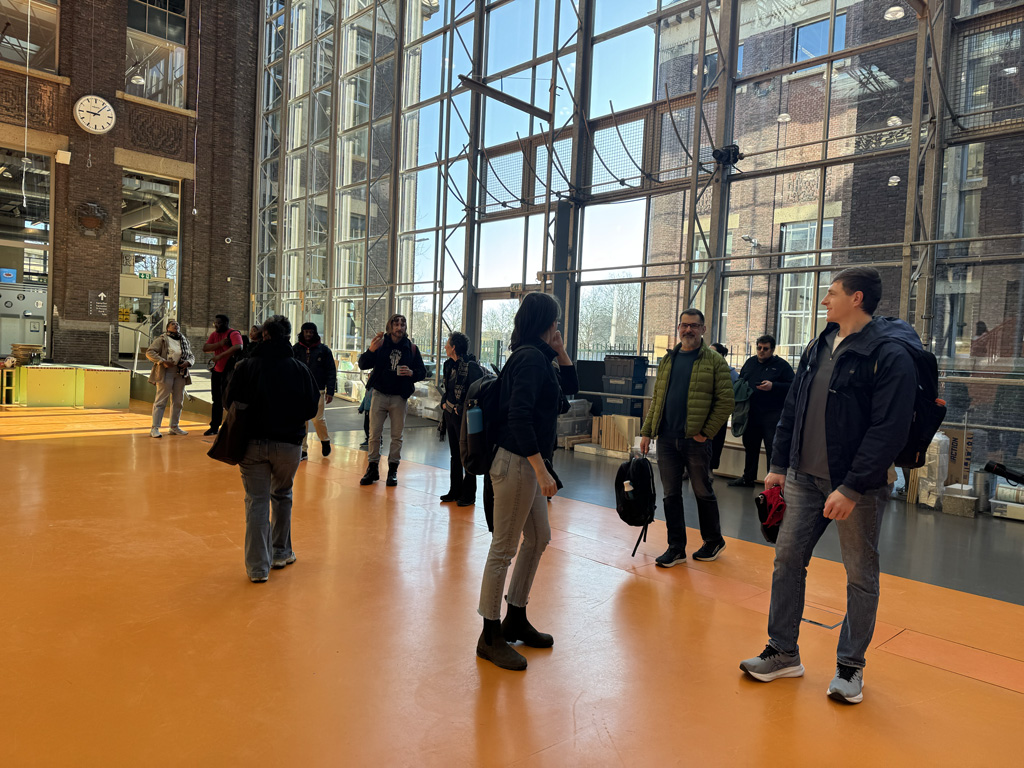
This morning, we had the privilege of contributing to urgent and ongoing conversations about our built environment. Today’s exchange traversed a remarkable range of scales, from the city at large to the public realm and into the intimate spaces of the domestic sphere.
The Power of Mapping & Manifestos
At TU Delft (Technical University Delft), we renewed our collaboration with Dr. Rocco, returning justice to the map as the central instrument of our design process. The Just City Manifesto once again ignited critical dialogue around urbanity and civic responsibility, privileges we must actively (re)claim at every scale of intervention. Distinguishing between equality, equity, and fairness, and understanding how their implications manifest in the built environment, is no longer optional. For our generation, it has become an integral step in the design process itself.
From Generic City to Responsive Intervention
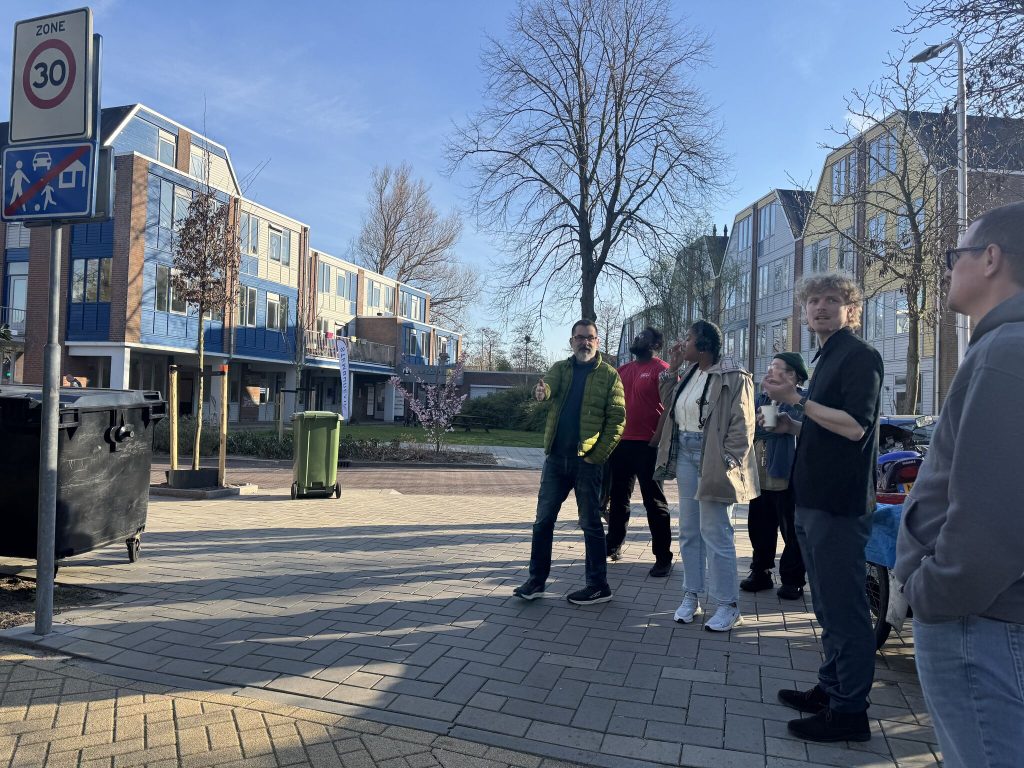
Moving from discussions of the generic city to the specifics of the built environment, Dr. Parravicini introduced the work of ”Optoppen” and the concept of ”Design by Research.” This platform challenges conventional development by proposing that cities can be transformed through strategic assessment and vertical addition, ”topping off” existing structures.
These lightweight, bio-based timber assemblies are conceived as temporary interventions (with a lifespan of up to 30 years), designed from the outset for disassembly or cyclical maintenance. They function as test beds: when an intervention proves successful, the model demonstrates its viability. This approach points toward a new paradigm for housing, one that achieves densification and greening by retaining and optimizing existing urban texture. Rather than building new high-rises, we can “parasite” or “plug into” current buildings.
In essence, this strategy is about:
- Living, aging, shrinking, and staying in the neighborhood
- Beautifying access points and fostering integration
- Regenerating public space
- Repurposing facades and entire buildings
- Building upon the prior foundation grid
The Conversation Expands: Social & Co-Housing
The discussion then expanded to social housing, more accurately termed “affordable housing” in the Dutch context. These accommodations cover more than one-third of the national market, guaranteeing safe and secure residency for citizens whose income falls slightly below average. This model actively prevents physical and cultural exclusion, remaining an essential resource within the city’s mix and diversity. Key themes that emerged included privacy, ownership, the serendipity of casual encounters, the value of planned interaction, and the need for both continuity and dynamic exchange. The conversation continued at a new venue, focusing on “Co-Wonen” (co-living). This model thrives on experiential learning, co-living and co-designing alongside eventual users. Its key features include inhabiting spaces before designing them, allowing programs to fold into one another, creating cohesion of services while naturally facilitating encounters.
Living together represents the future of our urban landscape, as the planet cannot sustain unchecked real estate expansion. A fitting metaphor is the bus stop: it does not require a bus to function. Its value unfolds through small-scale intervention, people stop, interact, sit, and find shelter. These structures are cost-effective, inherently urban, and centrally located. They serve a purpose that extends far beyond the bus itself.
To become “sexy” to potential users, co-housing requires an attractor factor, a cherished activity typically found in the private sphere. The guiding question becomes: What do you have and do in your private space that could become collective?
This opens a game of discovery: allow people to design their place by gradually unveiling their intimacy. Let them appropriate their spaces through comfort, guiding us on what those spaces should become. Enable groups to discuss and bond while creating together. An open-minded mentality, it seems, translates directly into open-minded floor plans.
THU MARCH 19 | From ground to paper, from grants to direct commissions
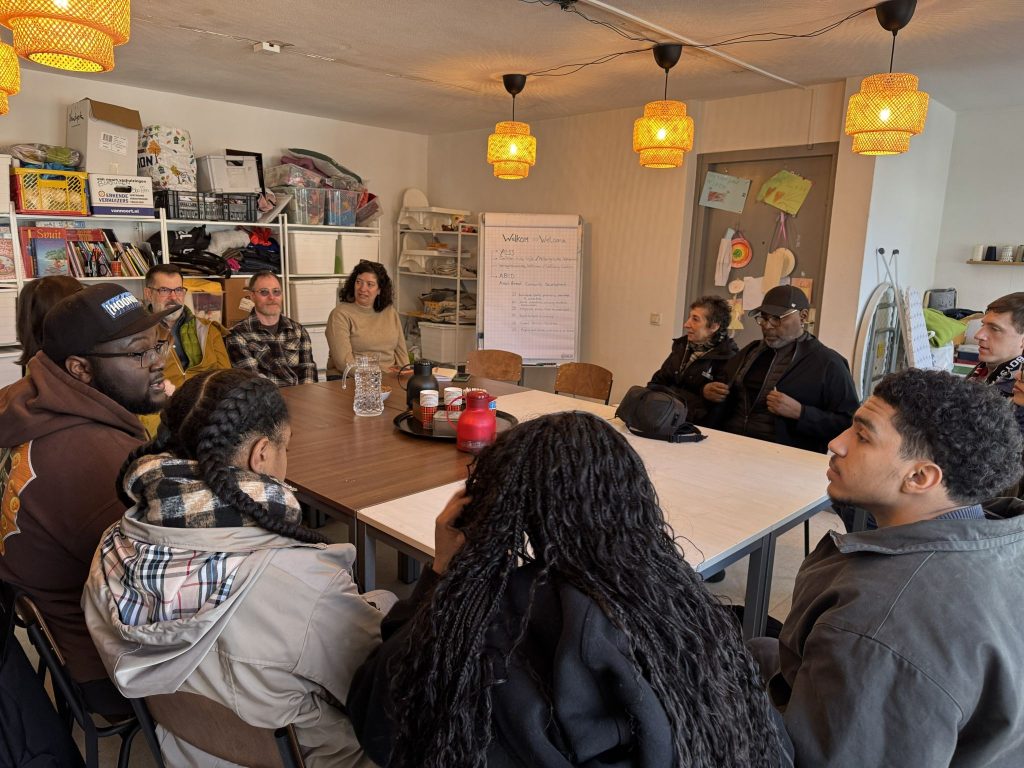
On day 8 of our Dutch experience, we explored the Rotterdam neighborhoods of Bospolder-Tussendijken (also known as “BoTu”). We met the community makers at Wijkhub, where we were debriefed on how residents are deeply invested in their neighborhood’s future. Their approach is grounded in simple, powerful principles: work with what you have, and build the program with the residents. The guiding questions are always: What do you want? What do you want to change? And how can we become more socially resilient? During the pandemic, this focus helped the community become stronger together.
The ABCD Approach in Action
Asset-based community development (ABCD) is at the core of their work. One initiative, BoTourism, a social travel agency, showcases the neighborhood by highlighting people’s strengths and building together. An open call invites residents to put their ideas on paper and compete through a community vote. The process is democratic: residents pitch their idea to an action group, which then assesses its feasibility and helps organize the work. A key principle is that resources stay within the neighborhood.
In this context, stories are more important than rigid plans. Ideas must land and harvest in their specific context. The approach is to meet people where they are, there is no prescribed method or theory, only the ideas and energies coming from the people who live there.
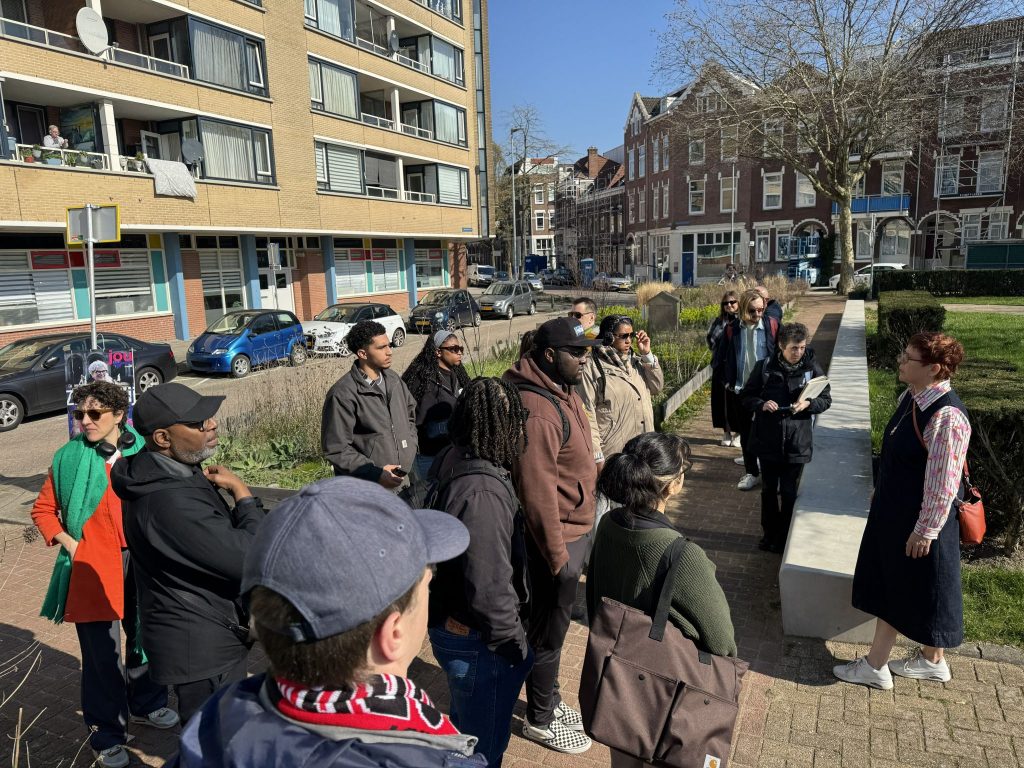
During our neighborhood visit, we saw this theory put into practice. ABCD is about harvesting the gifts of the people, which include:
- Skills of residents
- Social connections among residents
- Physical places that are meaningful
- Neighborhood economy (collective, not individual)
- Shared stories and cultures
- Public and private institutions as partners
The philosophy is one of abundance: the glass is half full. There is a lot there, and it is good. That is what should be emphasized. What works needs to be highlighted. The focus is always on asking, “What are your good parts? What are you offering?” — finding the positivity and building from it.
From Community Gardens to the DakPark
We visited a garden that residents helped create to soften the edge of a hardscape playground. The playground itself is supported by a grant to design thematic, age-related zones with moments of shade, water, and relaxation, as well as age- and gender-specific play areas.
Finally, we walked on the DakPark, an elevated park that creates a meaningful buffer between the formal port warehouses and the residential zone, complemented by a sunken mall. The park serves as a powerful extension of the community and clearly demonstrates what it means to create a mixed-income neighborhood where the public good is fairly distributed among all residents.
A Contrast in Practice: MVRDV
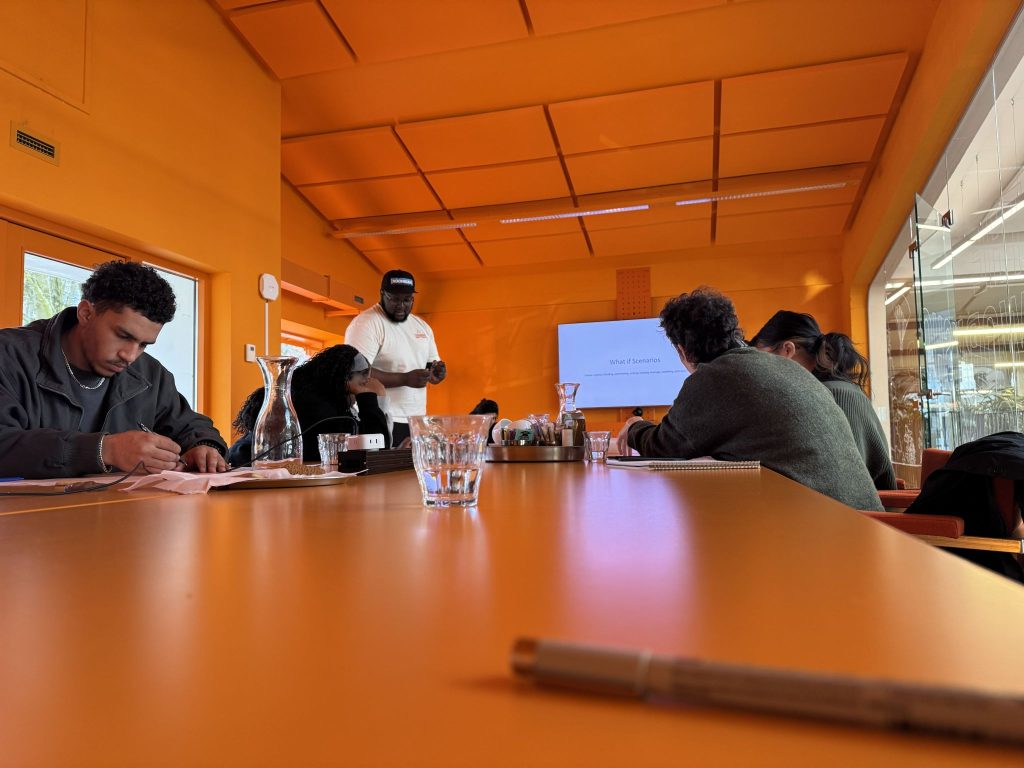
The visit to MVRDV offered a different experience. It illustrated how spaces are generated on paper, how design can happen remotely, and how we can design spaces even if we don’t live within them. It is, in many ways, a matter of capital. The resourceful office recognizes the need to veer away from traditional conceptual architecture and acknowledge that climate resilience is no longer an option. To address this, the office has developed guidelines that facilitate designs working with ecological changes while providing resilient programming and flexible usability of space.
The workshop at MVRDV challenged the status quo, allowing climate change to take over the design process as an opportunity for adaptation. The core question posed was: if you were to work on a dismissed, underutilized area with challenges like climate change, housing, flooding, and zero waste… how would you design on the site?
Theory Materialized: Powerhouse Company
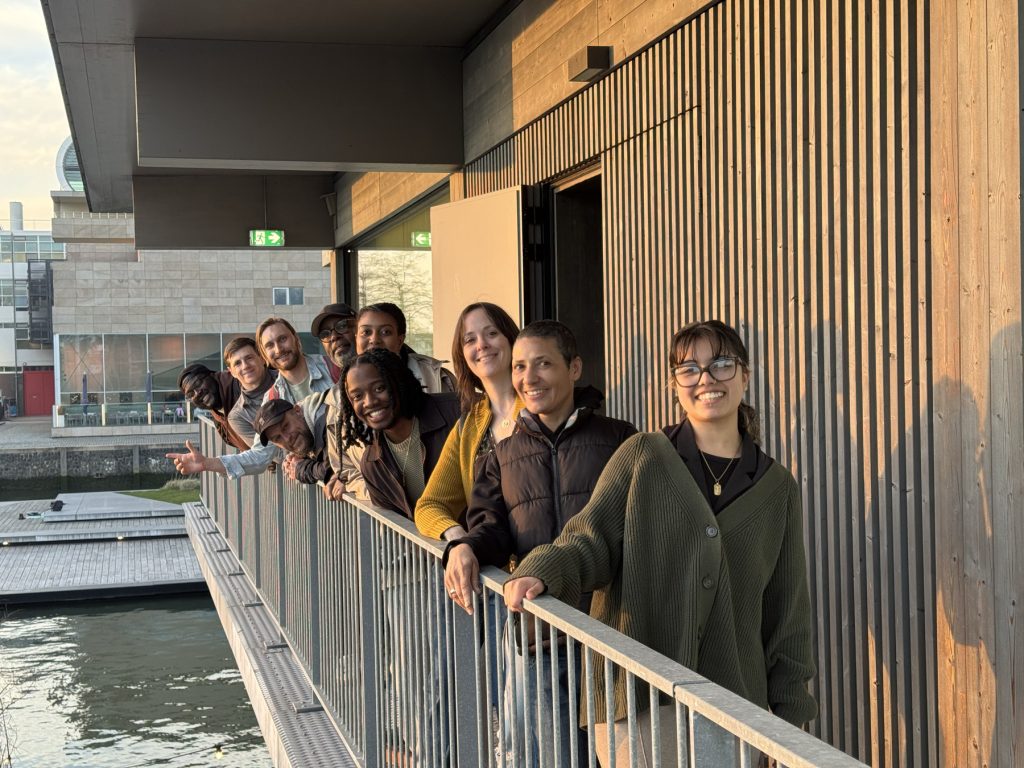
We concluded the day at Powerhouse Company with a tour of their FOR (Floating Office Rotterdam).
Enjoying the sunset in this highly developed area between Willeminapier and Katendrecht, the project stood as a testament to how resources and theory can materialize in practice and contribute to the new urban skyline.
FRI MARCH 20 | From M4H to Almere: Transformation is a participated and collected effort
M4H district in Rotterdam
The Keileweg area, part of the broader M4H (Merwe-Vierhavens) district in Rotterdam, is increasingly recognized as one of the city’s most promising economic zones. Its potential lies in its ability to contribute to Rotterdam’s “next economy,” particularly through innovation, making, and new forms of production. At the same time, this promise brings forward a set of complex social and spatial challenges that remain unresolved.
To understand the present situation, it is important to look at the area’s history. For much of the 20th century, M4H was deeply tied to the port economy and energy infrastructure. When port activities left around 1990, the area was left open and undefined. What followed was not immediate redevelopment, but rather a period of informal occupation and experimentation. Artists, makers, and local initiatives gradually took over the space, using it for radical practices, small-scale production, and even urban gardening. Between 1990 and roughly 2015, the area was largely shaped by these bottom-up efforts, which re-imagined its identity outside formal planning structures.
Around 2015, this dynamic began to shift. Institutional actors and design offices started to articulate clearer visions for the area’s future, introducing strategies, branding, and development frameworks. While these top-down approaches helped position M4H within Rotterdam’s long-term economic agenda, they also created a disconnect. The area, despite its new identity, remains insufficiently integrated with its surrounding neighborhoods, both physically and socially.
This raises a central question: how can the emerging economic potential of M4H be made inclusive? As development accelerates, there is a real risk that disadvantaged communities in nearby areas will not benefit from these changes. In fact, there are early signs of gentrification, not only in terms of rising costs, but also in more subtle, “mental” forms of separation. People living nearby are often unaware of what is happening in M4H, reinforcing a sense that the area is evolving into something detached from its context.
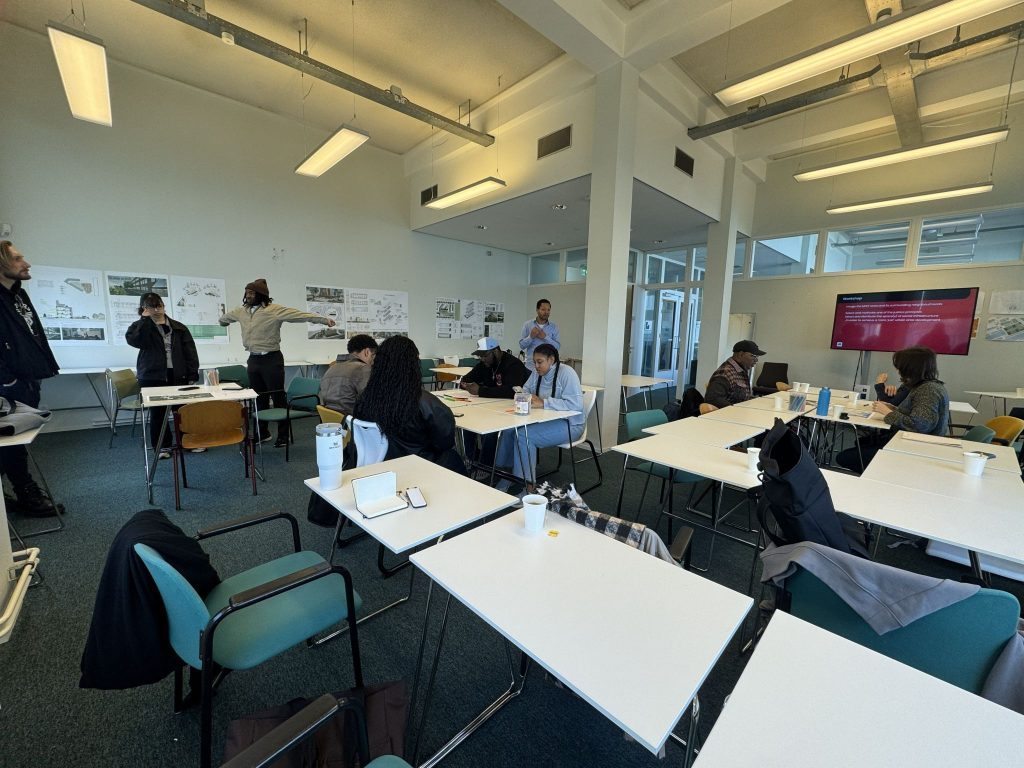
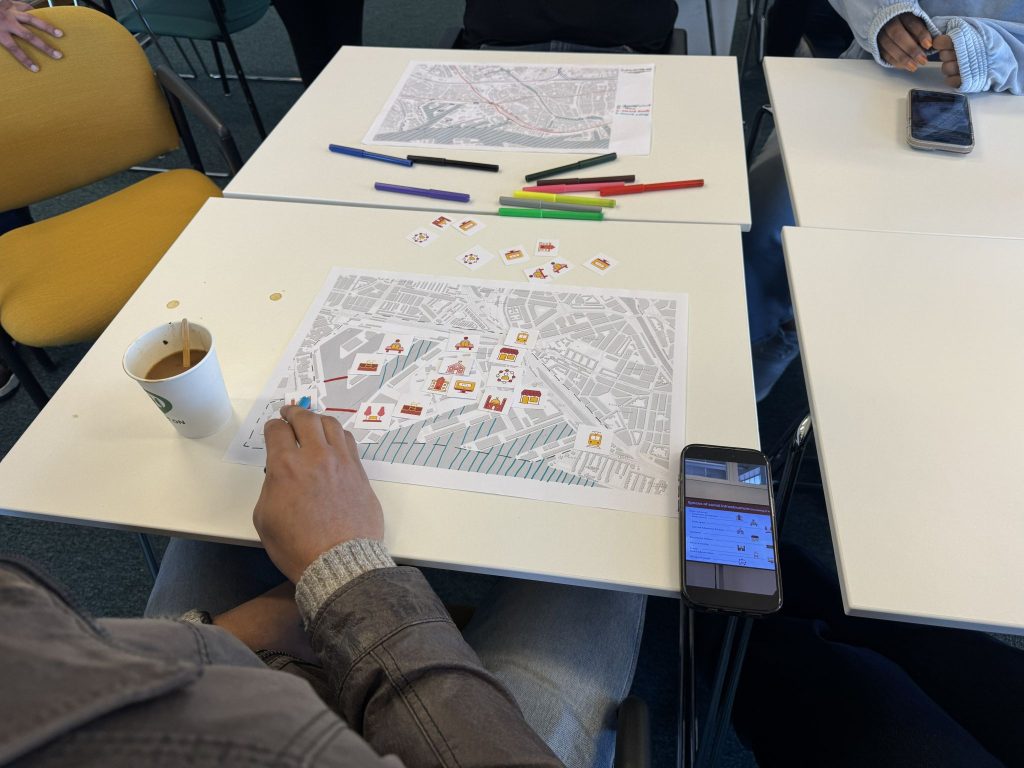
Physical connectivity plays a significant role in this divide. Existing infrastructures create clear boundaries, and even successful public spaces contribute to the problem. The DakPark, for example, is both an asset and a barrier. While it provides valuable amenities and has been widely appreciated since its creation, it also acts as a spatial obstacle between neighborhoods and M4H. Together with surrounding roads, it limits accessibility and continuity. Proposed interventions, such as the introduction of new bridges or improved pedestrian routes, aim to address this issue. However, there is an underlying concern that without careful planning, these efforts might simply reinforce the idea of M4H as a distinct “island,” rather than fully integrating it into the urban fabric. The nature of our workshop today at the Hoogeschool Rotterdam with David ter Avest was to re-imagine growth and inclusion using a Justice principle model.
Addressing these challenges requires more than physical solutions. It calls for a deeper integration of functions and communities. Bringing in educational institutions, such as TU Delft, along with work spaces and local amenities, could help create a more inclusive live-work environment. At the same time, there is a need to strengthen social connections and awareness, ensuring that existing residents are not only informed but actively involved in the area’s transformation.
This tension between bottom-up and top-down approaches remains central. The earlier phase of M4H’s development demonstrated the value of community-driven experimentation, while current strategies emphasize structure and scalability. Bridging these two modes of operation is crucial. Examples like Tuin van Bert suggest a more horizontal model, where living, working, and mediating between stakeholders happen simultaneously. In such approaches, local actors play an active role in connecting communities with decision-makers, rather than being passive recipients of development.
WikiHouses in Almere
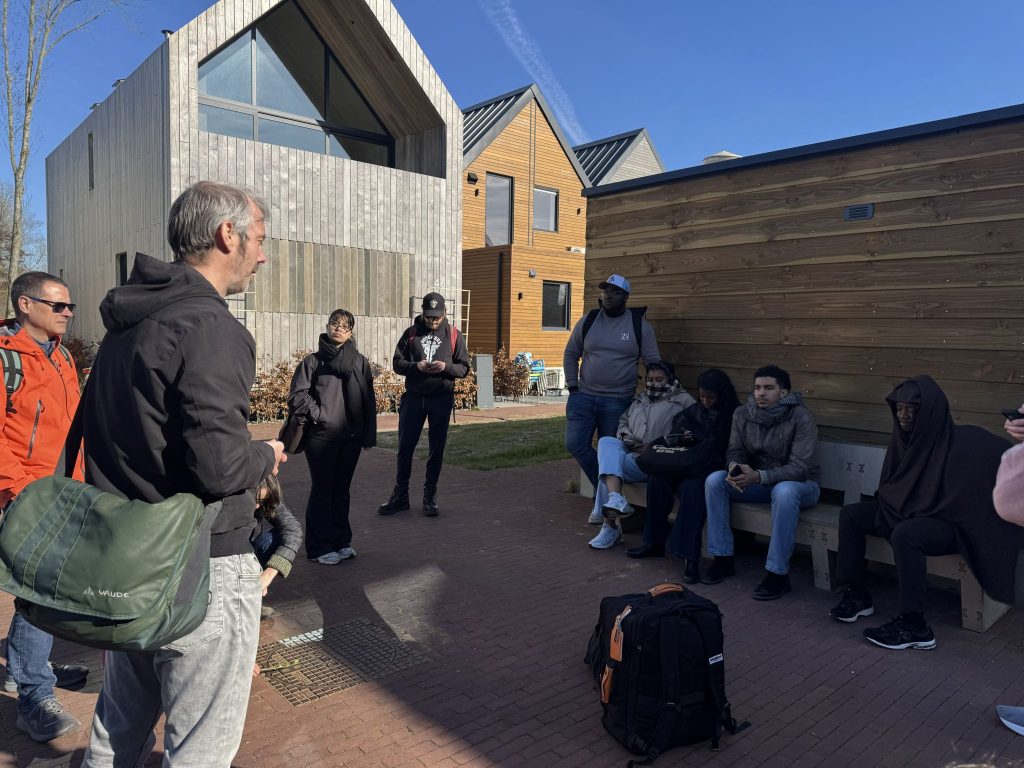
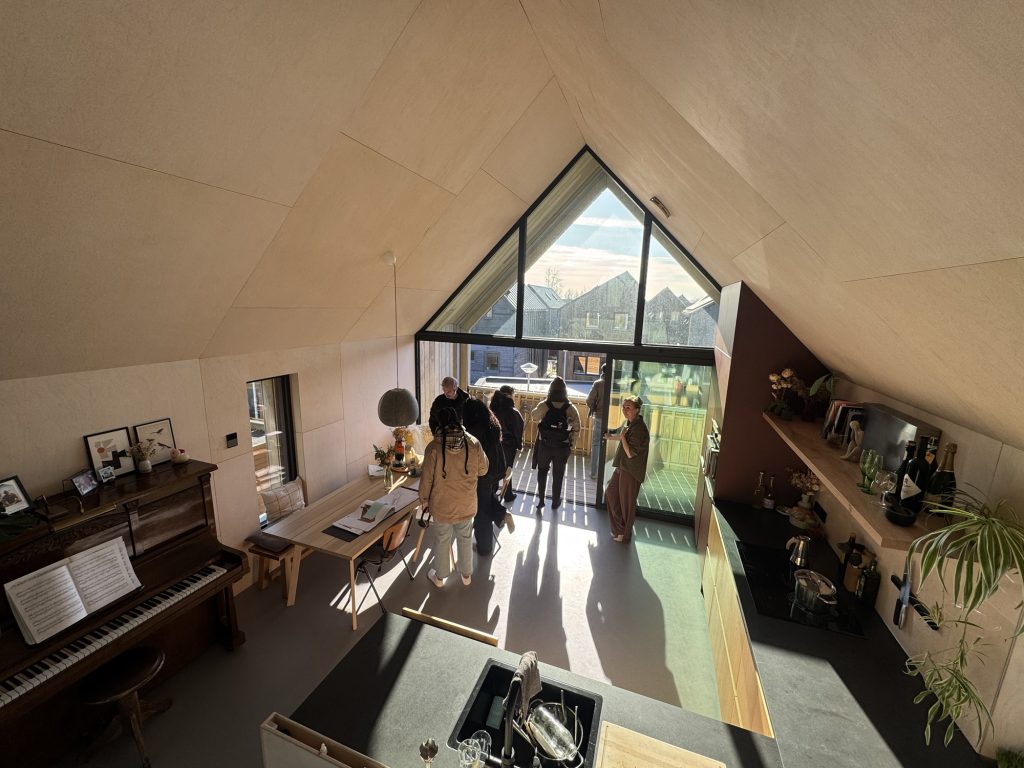
Within this broader context, alternative housing models such as WikiHouse offer an interesting perspective. WikiHouses in Almere are based on an open-source, self-build concept, where affordability is directly linked to participation. Using digitally fabricated components, cut through CNC machines, houses can be produced locally and assembled by individuals or groups. While certain technical aspects, such as foundations, may still require external contractors, much of the process is collective and accessible. The system allows for both standardization and individuality: structural elements and insulation are shared, while façades and finishes can be customized. In this way, housing becomes not just a product, but a collaborative process that can strengthen community ties.
FRI MARCH 9 | Rotterdam, full circle
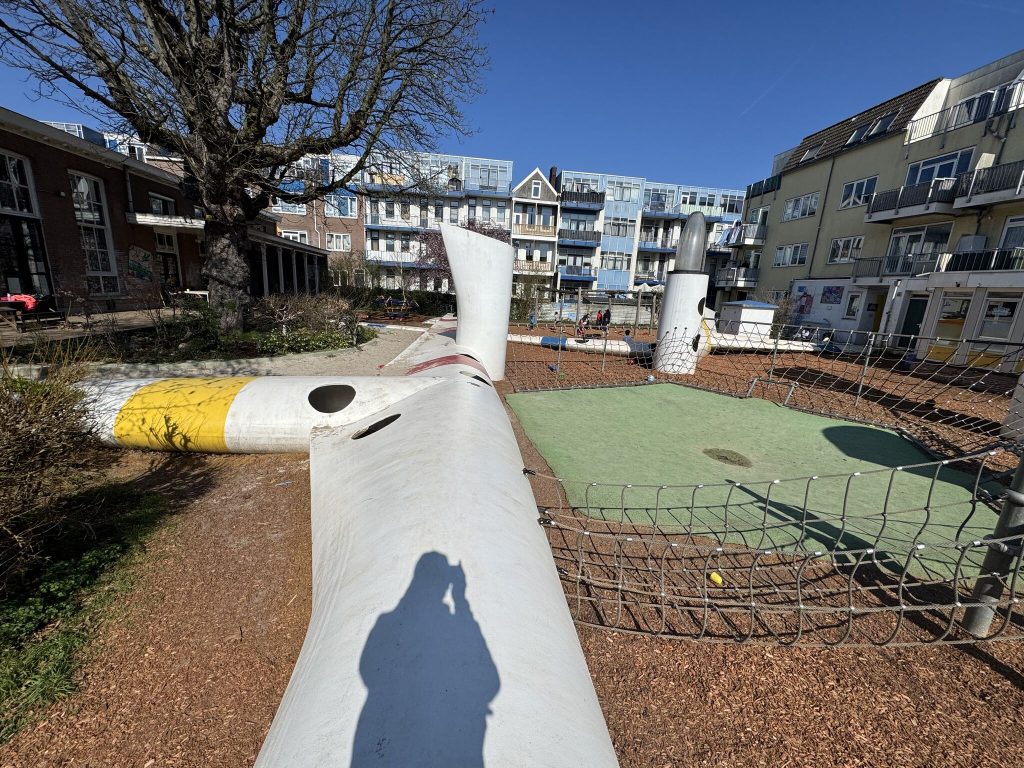
Wrapping up our Rotterdam stay at Superuse Studios’ Wikado Playground, a place that captures the spirit of modern Rotterdam: experimental, circular, and forward-thinking. Built from repurposed wind turbine blades, it’s not just a playground; it’s a statement about how the city continuously reinvents itself using what already exists.
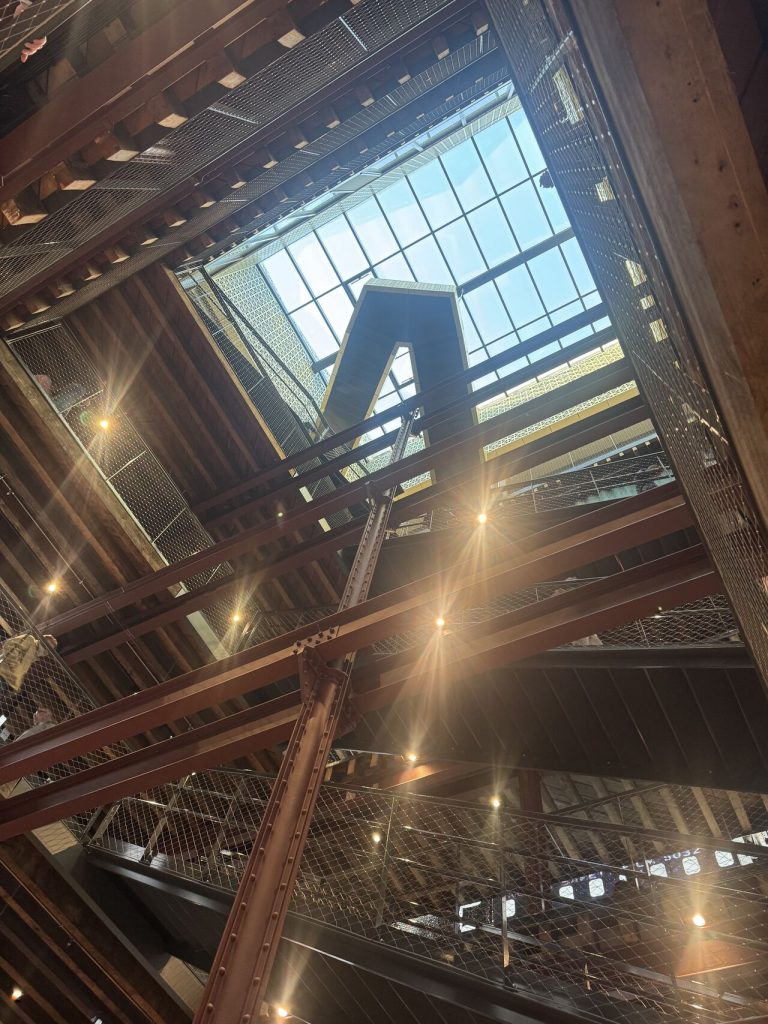
Crossing the Maas, we arrived at Pakhuis Santos, a five-story landmark overlooking the Rijnhaven and hinting at Rotterdam Next. Rooted in the early 20th century, Santos has survived waves of change and now houses the Nederlands Fotomuseum. Walking through it feels like stepping into a layered timeline where past and present quietly overlap.
Our 10 Dutch days come to an end here. Rotterdam is one of the few cities where the contrast between pre-war life, the devastation of the Rotterdam Blitz, and bold post-war reconstruction doesn’t just exist, it defines the city. You don’t just see history; you move through it in cycles.
In these 10 days, we traced a full circle:
destruction → rebuilding → reinvention → sustainability.
Not many cities tell that story as clearly.
THANKS FOR YOUR SUPPORT
This trip was made possible through the generosity of BluePrint Cafe, Jason Neal, Elaine Asal, Andrew DuFresne, Vectorworks, Joe Cellucci, Laura Thul Penza, Jeffrey Penza, SA+P, Susannah M. Bergmann, Ethan Cohen, John Smutny. Patrick Filbert, coleman jordan, Masha Rosenthal, Dan Bunch, Naomi Rankin, Gabe Kroiz, Max Robinson, Julianne Mehra, Talin, Amy Wang, Sophia Baleeiro, and Baltimore-Rotterdam Sister City Committee.
PHOTO CREDITS
CCM = Photos provided by Cristina Cassandra Murphy
BPC = Photos from Blueprint Cafe’s social media posts
TRIP PARTICIPANTS
Andrew Bui
Andrew DuFresne
Austin Tucker
Cayden Hercules
Cristina Murphy
coleman jordan
Cory AdcockCamp
David
Elaine Asal
Ethan Cohen
Jason Kim
Jason Neal
John Smutny
Jon Bismut
Josiah Miller
Katherine Brower
Laurin Brooks
Margaret Eaton
Maureen Kwakye-Dankwa
Nathaly Gomez
Patrick Filbert
Xavier Pettaway
Wouter Portegijs
